

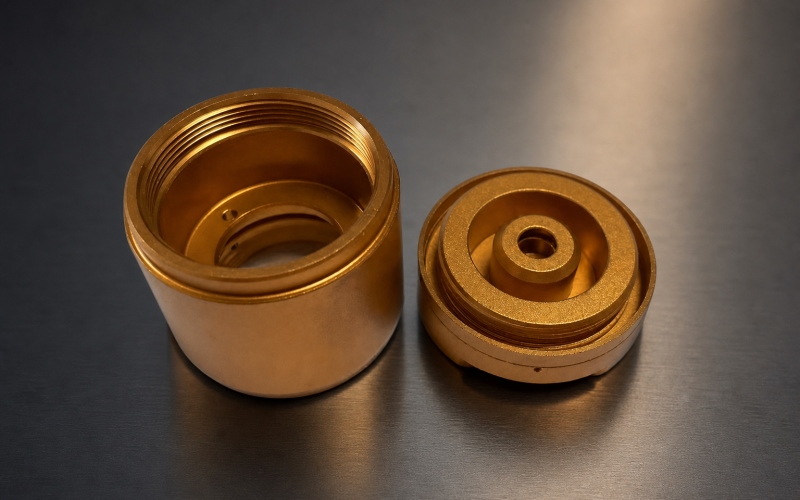
Brass components are widely used in industries such as electronics, automotive manufacturing, plumbing systems, telecommunications, and industrial equipment. Thanks to their excellent corrosion resistance, durability, and machinability, brass parts remain a preferred choice for many engineering applications. However, when sourcing factory custom brass parts, buyers often make mistakes that can lead to production delays, quality issues, and unnecessary costs. Therefore, understanding these common pitfalls is essential for ensuring a successful manufacturing project.
Failing to Provide Detailed Specifications
One of the most common mistakes is submitting incomplete or unclear product requirements. Although manufacturers can offer technical support, they still rely on accurate information from customers to produce the desired parts.
For example, missing dimensions, material grades, tolerance requirements, surface finishes, or assembly details can create misunderstandings. Consequently, the final product may not meet project expectations. Therefore, customers should provide detailed drawings, CAD files, and technical specifications whenever possible. Moreover, clear communication at the beginning of the project helps reduce revisions and improves overall production efficiency.
Ignoring Material Selection Requirements
Not all brass materials offer the same performance characteristics. Different brass alloys provide varying levels of strength, conductivity, corrosion resistance, and machinability. As a result, choosing the wrong material can affect product performance and lifespan.
When ordering factory custom brass parts, buyers should carefully evaluate the operating environment and application requirements. For instance, components exposed to moisture or harsh chemicals may require specific brass grades with enhanced corrosion resistance. Furthermore, consulting with experienced manufacturers can help identify the most suitable material for each project.
Overlooking Manufacturing Tolerances
Precision requirements play a critical role in custom component production. However, some buyers either fail to specify tolerances or request unnecessarily tight tolerances without considering production costs.
In reality, tighter tolerances often require additional machining processes, specialized equipment, and extended inspection procedures. Consequently, manufacturing costs may increase significantly. Therefore, it is important to define realistic tolerances that balance product functionality and production efficiency. Experienced suppliers such as Audapu can often provide recommendations that help optimize both quality and cost.
Focusing Only on Price
Price is always an important consideration. However, selecting a supplier solely based on the lowest quotation can create long-term challenges.
Low-cost manufacturers may use lower-quality materials, reduce inspection procedures, or lack advanced production capabilities. As a result, customers may face quality problems, shipment delays, or additional replacement expenses. Instead, buyers should evaluate overall value, including manufacturing experience, quality management systems, technical expertise, and customer support. Although higher-quality suppliers may not always offer the lowest price, they often deliver greater long-term reliability.
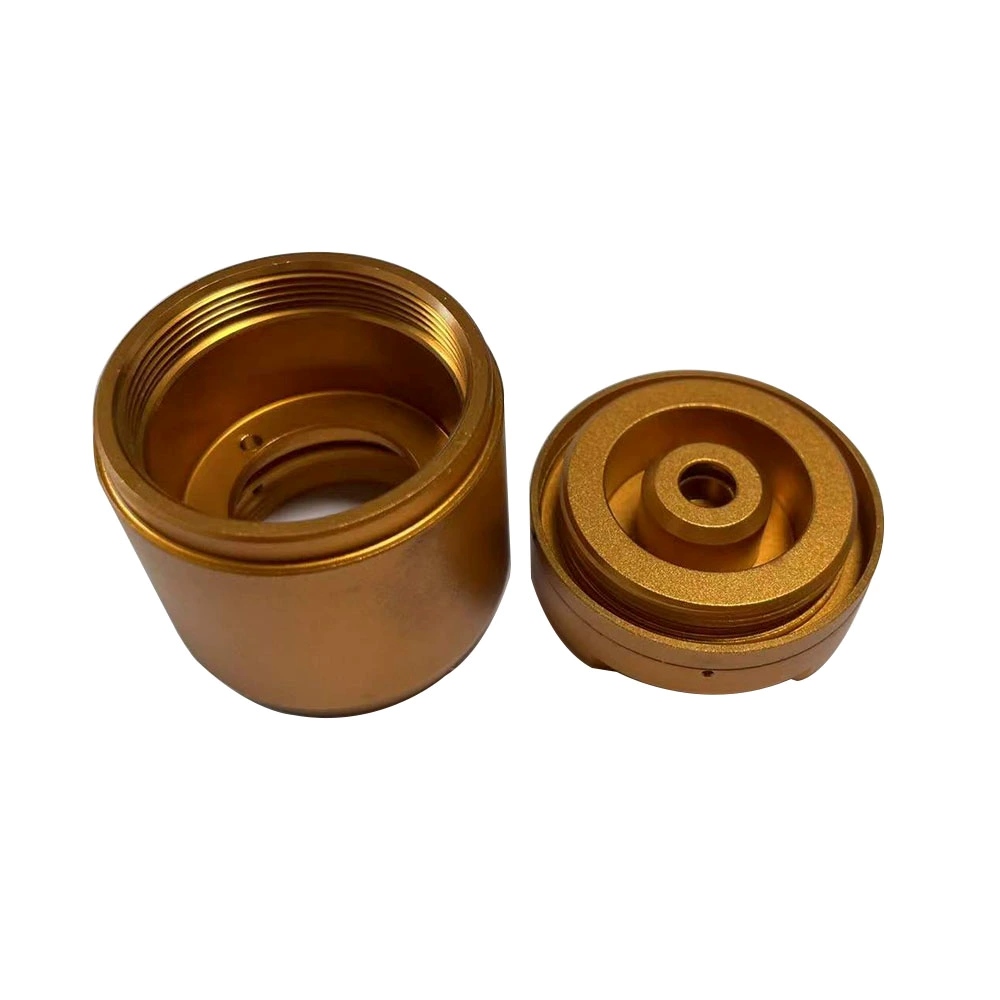
Neglecting Quality Control Requirements
Another common mistake involves assuming that all manufacturers follow the same quality standards. In reality, quality control procedures can vary significantly between suppliers.
Before placing an order for factory-custom brass parts, customers should verify inspection processes, testing capabilities, and quality certifications. Additionally, requesting sample production or first-article inspection reports can help identify potential issues before mass production begins. As a result, businesses can reduce risks and ensure that products consistently meet specifications.
Underestimating Lead Times
Many buyers focus on production costs while overlooking delivery schedules. However, custom manufacturing involves multiple stages, including engineering review, tooling preparation, machining, finishing, inspection, and packaging.
Therefore, unrealistic delivery expectations can create project delays and supply chain disruptions. Moreover, international shipping and customs clearance may further extend lead times. To avoid these challenges, customers should communicate project timelines early and maintain regular coordination with suppliers throughout the production process.
Failing to Consider Future Production Needs
Some businesses place small orders without considering future demand. Consequently, they may encounter inconsistencies when reordering products from different production batches.
When sourcing factory custom brass parts, it is beneficial to establish long-term partnerships with reliable manufacturers. In addition, maintaining complete production records and approved drawings helps ensure consistency across future orders. This approach supports stable quality, faster reordering, and more efficient supply chain management.
Conclusion
Ordering custom brass components requires more than simply submitting a design and requesting a quotation. By avoiding common mistakes such as incomplete specifications, incorrect material selection, unrealistic tolerances, and insufficient quality verification, businesses can achieve better project outcomes.
Furthermore, partnering with experienced manufacturers like Audapu helps improve communication, production efficiency, and product quality. As a result, companies can obtain reliable factory custom brass parts that meet performance requirements while supporting long-term business success.