

In today’s competitive manufacturing environment, market demands change rapidly. Customers expect higher precision, faster delivery times, and greater flexibility than ever before. As industries such as automotive, electronics, and plumbing continue to evolve, manufacturers must adjust their production strategies to remain competitive. Therefore, a successful CNC brass parts manufacturer must continuously improve technology, optimize processes, and respond quickly to customer requirements.
Embracing Advanced Manufacturing Technology
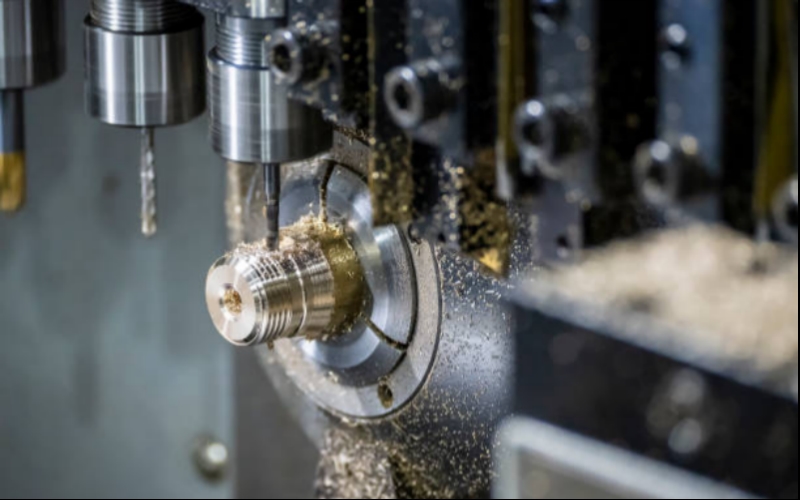
One of the most effective ways manufacturers adapt to market demands is by investing in advanced machining equipment. Modern multi-axis CNC machines allow companies to produce complex brass components with exceptional accuracy. As a result, manufacturers can meet the growing demand for intricate designs and tighter tolerances.
Moreover, advanced automation helps reduce production time while maintaining consistent quality. Instead of relying solely on manual operations, manufacturers integrate intelligent systems that improve efficiency and reduce human error. Consequently, customers receive high-quality parts faster and at a competitive cost. At Audapu, advanced multi-axis machining technology enables the production of custom brass components that meet strict engineering requirements across multiple industries. This approach helps ensure reliable performance and consistent product quality.
Offering Greater Customization
Customer expectations continue to shift toward customized solutions. Rather than purchasing standard components, many businesses require parts designed specifically for their applications. Therefore, manufacturers must provide flexible customization options. A professional CNC brass parts manufacturer supports customers throughout the entire development process. This service often includes material selection, design optimization, prototype development, and mass production planning. Furthermore, close communication allows manufacturers to identify customer needs early and reduce potential production issues.
For example, automotive manufacturers often require highly durable brass components, while electronics companies may prioritize precision and conductivity. By offering tailored solutions, manufacturers can better serve diverse market segments and build long-term customer relationships.
Maintaining Strict Quality Standards
As product performance requirements become more demanding, quality control has become a key competitive advantage. Customers expect every component to meet precise specifications and deliver consistent performance over time. To meet these expectations, manufacturers implement comprehensive inspection procedures throughout production. In addition, they use advanced measuring equipment to verify dimensions, tolerances, and surface finishes. Consequently, defects are identified quickly, reducing waste and improving overall product reliability. A reliable CNC brass parts manufacturer understands that quality directly impacts customer satisfaction. Therefore, continuous monitoring and process improvement remain essential for maintaining industry standards and market trust.
Improving Supply Chain Efficiency
Market demand can fluctuate significantly due to economic conditions, seasonal trends, or industry growth. As a result, manufacturers must develop flexible supply chains that can adapt quickly to changing requirements. Efficient inventory management plays an important role in this process. By maintaining appropriate material stock levels, manufacturers can respond faster to urgent orders without compromising production schedules. Additionally, strong relationships with suppliers help ensure a stable supply of raw materials.
Fast turnaround times have also become increasingly important. Customers often face tight project deadlines, so manufacturers that can deliver quickly gain a competitive advantage. Therefore, streamlined workflows and optimized production planning help companies meet delivery expectations more effectively.
Supporting Multiple Industries
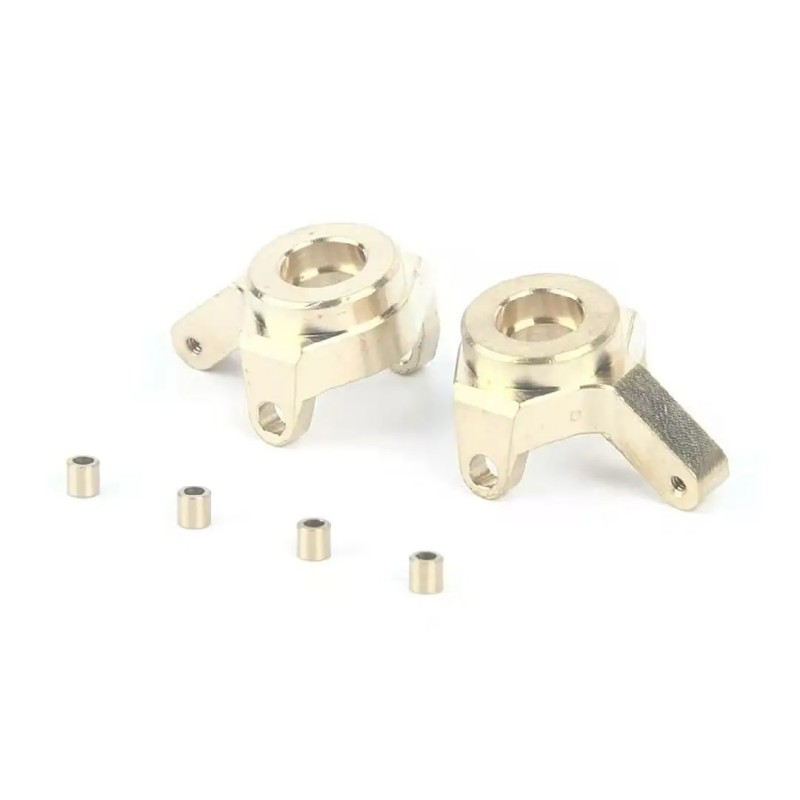
Diversification is another important strategy for adapting to market demands. Rather than focusing on a single sector, many manufacturers serve multiple industries to reduce risk and expand growth opportunities. For instance, brass components are widely used in automotive systems, electronic devices, plumbing equipment, industrial machinery, and telecommunications products. Because each sector has unique requirements, manufacturers must remain flexible and knowledgeable about different application standards. Audapu specializes in custom CNC brass parts for a variety of industries. By serving diverse markets, the company can respond effectively to changing customer needs while maintaining stable production capabilities.
Conclusion
Market demands continue to evolve, and manufacturers must remain agile to stay competitive. By adopting advanced machining technology, providing customized solutions, maintaining strict quality control, improving supply chain efficiency, and supporting multiple industries, manufacturers can successfully meet changing customer expectations.
As industries increasingly require precision-engineered brass components, every CNC brass parts manufacturer must focus on innovation and adaptability. Companies that embrace these strategies will not only satisfy current market needs but also position themselves for long-term growth and success.