


In modern automotive and industrial engineering, companies increasingly focus on weight reduction to improve performance and efficiency. One of the most widely used solutions is aluminum engine spare parts, which deliver a strong balance between lightweight structure and mechanical strength. Because engines require both durability and efficiency, aluminum has become a preferred engineering material in many applications. At Audapu, we supply precision-engineered components that help manufacturers achieve lightweight design goals while maintaining stable performance.
1. Low-Density Advantage of Aluminum Materials
To begin with, aluminum offers a much lower density compared to steel and cast iron. This physical property allows engineers to reduce engine weight significantly without changing overall structural requirements. As a result, engineers widely apply aluminum engine spare parts in modern engine systems to improve fuel efficiency and reduce overall vehicle mass. Moreover, lower weight reduces rotational inertia in moving components, which improves engine response and energy usage.
2. High Strength-to-Weight Ratio
Secondly, aluminum alloys provide an excellent strength-to-weight ratio. Engineers improve aluminum’s mechanical properties through alloy optimization, which strengthens durability while keeping the material light. In addition, this balance allows designers to build compact yet strong structures. Therefore, aluminum engine spare parts handle high stress conditions while maintaining a lightweight profile. Furthermore, engineers use this advantage in high-performance engines that require both speed and durability.
3. Manufacturing Flexibility and Precision Design
In addition, aluminum supports multiple manufacturing methods such as CNC machining, die casting, and precision forging. These processes allow engineers to create complex and highly accurate structures. Because of this flexibility, manufacturers optimize part designs and remove unnecessary material. As a result, aluminum engine spare parts achieve a lighter weight without reducing structural reliability. Moreover, modern machining techniques improve dimensional accuracy and surface consistency.
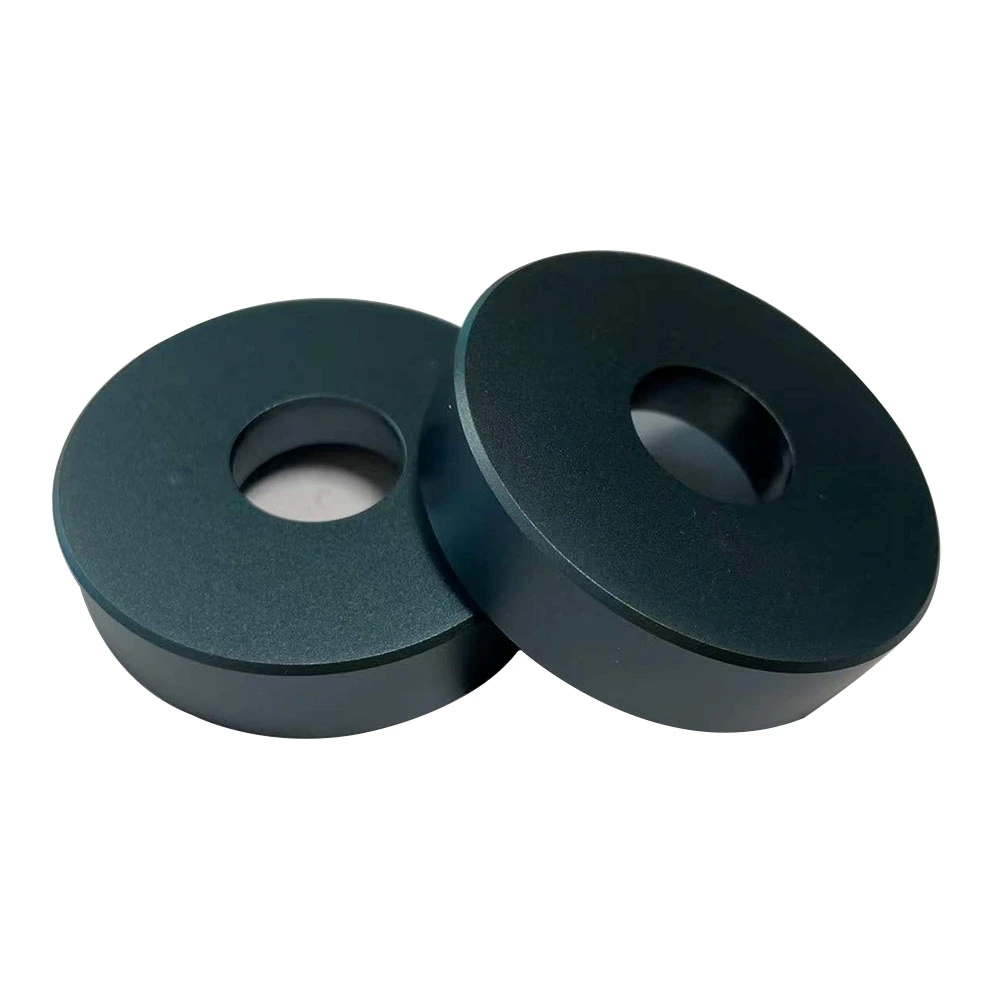
4. Heat Dissipation and Thermal Efficiency
Furthermore, aluminum conducts heat efficiently, which helps engines control temperature more effectively. Better heat dissipation reduces thermal stress on engine components. As a result, aluminum engine spare parts improve thermal stability while also reducing the need for additional cooling structures. In addition, stable temperature control extends engine life and reduces long-term wear.
5. Corrosion Resistance and Durability
Moreover, aluminum naturally forms a protective oxide layer that resists corrosion. This property reduces the need for heavy coatings or extra protective materials. Therefore, aluminum engine spare parts maintain durability in harsh environments such as high humidity or high-temperature conditions. In addition, this corrosion resistance supports long-term stability without adding extra weight to the system.
6. System-Level Lightweight Engineering
Finally, a lightweight design works best when engineers optimize the entire engine system rather than individual components. When manufacturers replace multiple parts with aluminum, the total weight reduction becomes significant. As a result, engines using aluminum engine spare parts achieve better acceleration, improved fuel efficiency, and more stable performance. At Audapu, we support this approach by producing precision components that help engineers optimize full system performance.
Conclusion
In conclusion, aluminum supports lightweight engine design because it combines low density, strong mechanical performance, excellent machinability, high thermal conductivity, and corrosion resistance. These advantages make aluminum engine spare parts an essential choice in modern engine development. Ultimately, engineers use aluminum to build lighter, more efficient, and more responsive engines while maintaining long-term durability and stable performance.