

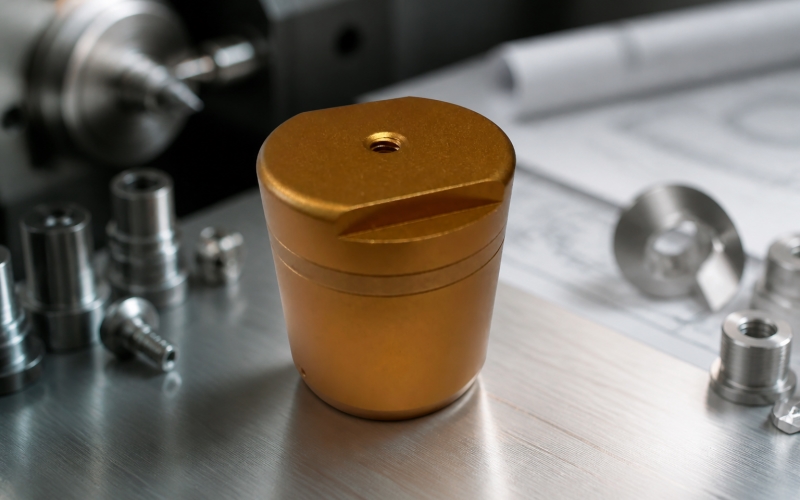
Precision CNC turning parts are high-accuracy cylindrical components produced through CNC lathe machining. These parts serve automotive, aerospace, medical, and industrial applications because they deliver stable performance, tight dimensional control, and high-quality surface finishes. At Audapu, we manufacture the parts with strict tolerance control and excellent surface quality. We operate advanced CNC lathes and high-speed turning centers to process stainless steel, aluminum, brass, titanium alloys, and engineering plastics. We support both prototype development and mass production to meet demanding industrial requirements.
Material Selection for Stable Machining Performance
The manufacturing process of precision CNC turning parts starts with careful material selection. First, engineers evaluate material properties such as hardness, strength, and machinability. Then, they choose suitable materials based on the part function and the application environment. Moreover, consistent raw material quality helps maintain stable cutting performance during turning operations. As a result, proper material selection improves machining stability and reduces dimensional variation.
CNC Programming and Toolpath Optimization
After material selection, engineers develop CNC programs for the parts. First, they convert CAD models into machining code using CAM software. Then, they design toolpaths that control cutting speed, feed rate, and tool movement. Moreover, simulation tools help engineers detect potential errors before production begins. This step plays a key role because accurate programming directly improves machining precision and reduces production deviation. At Audapu, engineers continuously optimize toolpaths to improve efficiency and maintain consistent OEM production quality.
High-Precision CNC Turning Process
The main manufacturing stage of the parts takes place on CNC lathes and turning centers. First, machines rotate the raw material at high speed while cutting tools shape it into the required geometry. Then, operators perform turning operations such as facing, threading, grooving, and boring in sequence. Moreover, multi-axis CNC machines allow the production of complex shapes with high accuracy. During machining, operators monitor tool wear, temperature, and vibration to maintain process stability. As a result, each part maintains consistent dimensions even during long production runs. This controlled workflow ensures stable, tight tolerance control across all batches.
Surface Finishing and Post-Processing
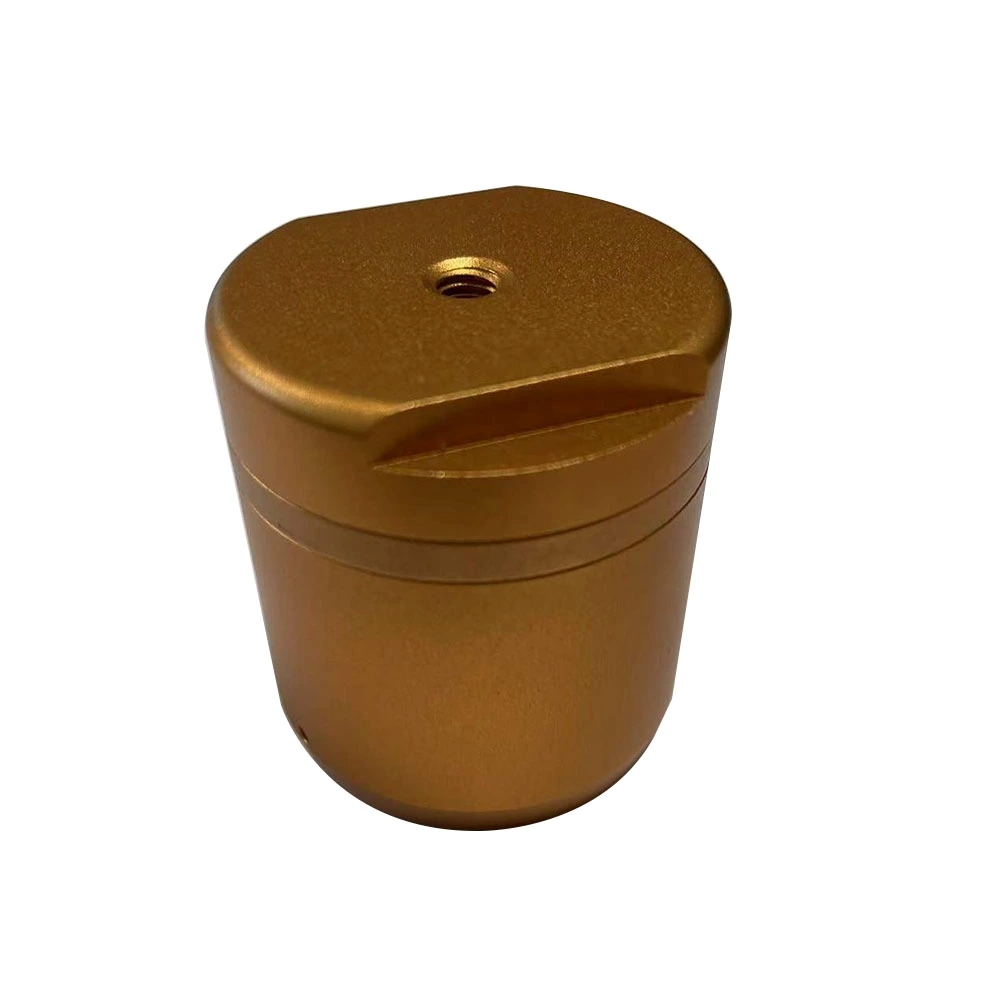
After machining, precision CNC turning parts go through surface finishing to improve performance and durability. First, technicians remove burrs and surface defects through polishing and deburring. Then, they apply additional treatments such as anodizing, plating, or anti-corrosion coating. Moreover, these finishing steps improve wear resistance and extend service life. At Audapu, we adjust finishing processes based on application needs to achieve optimal functional performance.
Quality Inspection and Tight Tolerance Control
Quality control ensures accuracy in precision CNC turning parts production. First, technicians measure dimensions using coordinate measuring machines (CMM). Then, they check surface roughness, roundness, and concentricity. Moreover, each batch passes strict inspection before shipment. Because aerospace and medical applications require extremely tight tolerances, engineers carefully eliminate even small deviations. Therefore, continuous inspection guarantees consistent and reliable performance.
OEM Flexibility and Production Capability
Modern manufacturing requires both precision and flexibility. At Audapu, we support both prototype machining and mass production of precision CNC turning parts. First, customers provide drawings or samples. Then, our engineering team develops optimized machining strategies to balance cost, speed, and accuracy. Moreover, we adjust production schedules to meet urgent delivery demands without reducing quality. This flexibility helps us serve the automotive, aerospace, and medical industries efficiently.
Conclusion
In summary, the parts achieve tight tolerances through a structured process that includes material selection, CNC programming, precision turning, surface finishing, and strict quality inspection. At Audapu, we combine advanced CNC turning technology with professional engineering support to deliver reliable components that meet strict industrial requirements for accuracy, durability, and consistent performance.